Pakistan Means Business
Faisal Ahmad
Published Date: May 4, 2026
Published On: The Nation
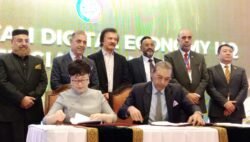
At a time when the global economy is under severe strain, marked by supply chain disruptions, rising fuel prices, and persistent inflation, economic cooperation has become less of a choice and more of a necessity. For developing economies like Pakistan, these challenges are even more acute. Skyrocketing fuel prices have increased the cost of production and transportation, while inflation has eroded purchasing power and slowed domestic demand. In such a difficult economic environment, the EU–Pakistan Business Forum held on 28–29 April 2026 in Islamabad represents a timely and strategic initiative. It signals that Pakistan is open, resilient, and ready to engage with global partners.
The importance of this forum lies not merely in its occurrence but in its broader economic context. Globally, countries are increasingly turning inwards due to economic uncertainties, protectionist tendencies, and geopolitical rivalries. Against this backdrop, Pakistan’s effort to deepen ties with the European Union reflects a forward-looking policy direction, one that prioritises integration over isolation. The European Union remains Pakistan’s largest trading partner, and strengthening this relationship through structured business engagement provides a pathway to economic stability.
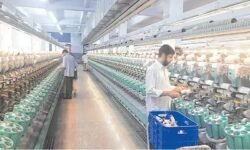
A key takeaway from the forum is the shift in policy emphasis from trade to investment. Traditionally, Pakistan’s economic relationship with the EU has been dominated by exports, particularly textiles under the GSP+ scheme. However, the forum underscored a new policy line: attracting foreign direct investment (FDI), fostering joint ventures, and promoting technology transfer. This transition is critical because export-led growth alone is insufficient to sustain long-term economic development, especially in a high-inflation environment. Investment, on the other hand, creates jobs, enhances productivity, and builds industrial capacity.
Moreover, the forum highlighted the importance of sectoral diversification. By focusing on areas such as renewable energy, digital innovation, agriculture, and infrastructure, Pakistan is signalling its intent to move beyond a narrow economic base. This diversification is particularly important in the current scenario of high fuel prices. Investments in renewable energy, for instance, can reduce reliance on imported fuels, ease pressure on foreign exchange reserves, and contribute to sustainable growth. Similarly, the emphasis on digital and technological sectors aligns Pakistan with global economic trends, opening new avenues for growth that are less vulnerable to traditional economic shocks.
Pakistan Business Network. Such mechanisms are crucial for ensuring continuity, facilitating dialogue, and addressing regulatory challenges. They also serve as a bridge between policymakers and the private sector, enabling more informed and effective decision-making. In a country where bureaucratic hurdles and policy inconsistencies have often deterred investors, this represents a positive step towards improving the business climate.
The forum also reflects an implicit acknowledgement of the need for internal reforms. Engagement with European partners often comes with expectations related to governance, transparency, labour standards, and environmental sustainability. While these may initially appear as constraints, they ultimately serve as catalysts for improvement. By aligning domestic policies with international standards, Pakistan can enhance its competitiveness and credibility in the global market.
From a broader perspective, the EU–Pakistan Business Forum carries important future implications. First, it strengthens Pakistan’s position in global value chains by integrating local industries with European markets. Second, it provides access to financial resources and technical expertise that are essential for modernisation and innovation. Third, it reinforces Pakistan’s image as a viable investment destination, which is crucial in attracting long-term capital flows.
However, the success of such initiatives will depend on consistent policy implementation. Announcements and agreements must translate into tangible outcomes. This requires political stability, regulatory clarity, and a sustained commitment to economic reforms. Without these, the momentum generated by the forum may not yield the desired results.
In my opinion, the EU–Pakistan Business Forum 2026 is more than a diplomatic or economic event; it is a statement of intent. It conveys that despite economic challenges, Pakistan is not retreating but repositioning itself in the global economy. By embracing cooperation, encouraging investment, and committing to reform, Pakistan is sending a clear message to the world, what the Finance Minister highlighted: ‘Pakistan means business’.