Chinese textile giant sets up major Pakistan manufacturing facility, eyes $500mn annual exports
BR Web Desk
Published Date: May 13, 2026
Published On: Brecorder
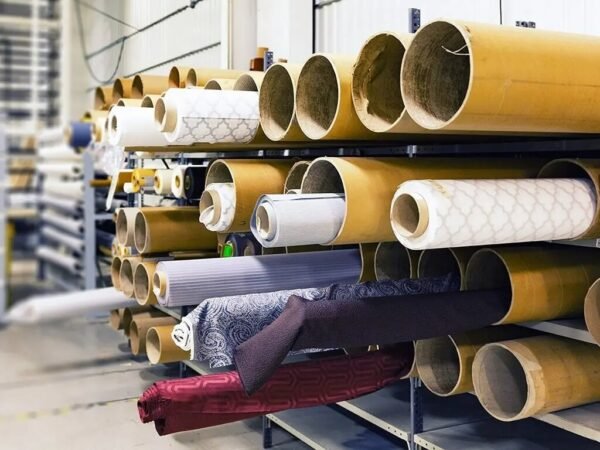
Challenge Fashion, a Chinese apparel manufacturer, plans to significantly expand its operations in Pakistan, with a long-term goal of generating annual exports of $400–500 million.
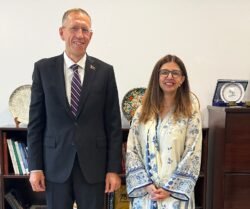
The plans were discussed during a meeting between Federal Commerce Minister Jam Kamal Khan and a Chinese business delegation led by Huwang, Chairman of Challenges Fashion and Karen Chen, CEO of Challenge Apparel, to discuss investment in export-oriented manufacturing, industrial facilitation, tariff rationalisation, and broader Pakistan-China economic cooperation, read an official statement on Wednesday.
During the meeting, both sides exchanged views on the growing potential for Chinese investment in Pakistan, in the textiles, apparel and other sectors. The delegation briefed the minister on the progress of their ongoing industrial project in Pakistan, sharing plans for significant expansion in manufacturing capacity, employment generation, and export growth.
Huwang informed the minister that the company is establishing a major manufacturing facility in Pakistan under international production standards, with the first phase expected to be completed later this year.
He shared that the long-term expansion plan envisions one of the largest industrial operations of its kind, with the potential to create up to 20,000 employment opportunities and generate annual exports of approximately $400–500 million.
Chinese energy giant Hiconics eyes Pakistan manufacturing
The Chinese delegation highlighted Pakistan’s strategic advantages, including its competitive workforce and geographic position linking regional and international trade routes. The investors expressed confidence in Pakistan’s industrial potential and expressed growing interest among Chinese businesses in expanding their presence in the country.
Last year, Challenge Fashion announced to set up a Special Economic Zone (SEZ) in Pakistan with planned investments of $100 million over five years.
Federal Minister Jam Kamal Khan welcomed the delegation and appreciated the growing interest of Chinese companies to invest in Pakistan. He noted that the government is actively working to improve the investment climate, simplify regulatory procedures, and facilitate foreign investors through coordinated institutional support.
During the discussion, Jam Kamal observed that changing global economic dynamics, evolving supply chains, and growing interest in diversification are creating new opportunities for countries like Pakistan.
He emphasised that Pakistan’s strategic location, industrial potential, and regional connectivity make it an increasingly attractive destination for export-oriented investment.
The meeting also included a discussion on regional connectivity, logistics, energy access, and the importance of secure and diversified trade corridors. The minister stated that Pakistan’s position offers long-term opportunities for trade facilitation, industrial growth, and stronger economic integration with regional and international partners.
Chinese representatives shared their positive operational experience in Pakistan while noting that international perceptions sometimes influence business decision-making abroad.
The delegation also raised specific operational requirements relating to specialised industrial construction materials and inputs that are currently not manufactured locally and that need to be imported to maintain international manufacturing and safety standards.
Jam Kamal assured the investors that the government remains committed to supporting industrial growth and facilitating industrial requirements. He informed the delegation that Pakistan is currently undertaking a phased tariff rationalisation process aimed at improving competitiveness and reducing unnecessary costs for manufacturers.
The minister invited the delegation to formally submit details of specialised products not produced locally, along with relevant tariff classifications, so the Ministry could examine the matter within the ongoing tariff rationalisation framework.
He noted that facilitating such industrial requirements could also create opportunities for future local manufacturing once sufficient market demand emerges.
The meeting also reviewed progress on project implementation, including land approvals, infrastructure matters, utility facilitation, and improvements in Special Economic Zone frameworks.
The minister informed the delegation that reforms are underway to reduce procedural hurdles and improve the ease of doing business for industrial investors.