First right of refusal: empowering Pakistan’s local businesses
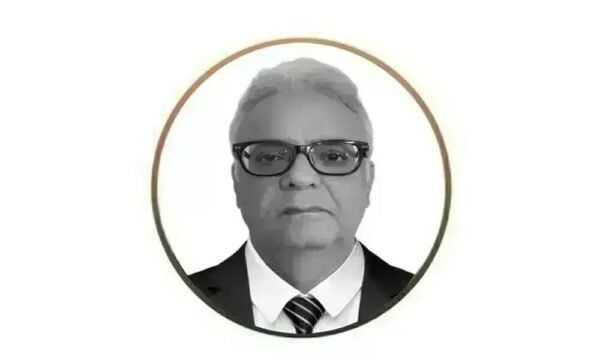
Zahid Maqsood Sheikh
Published Date: May 17, 2026
Published On: Brecorder
Pakistan’s efforts to privatise State-Owned Enterprises (SOEs) have sparked debate about the future of vital national assets. While privatisation offers economic growth opportunities, it also poses risks, particularly in maintaining control over critical sectors. To ensure that privatisation benefits both foreign investors and the local business community, the process needs careful management.
A prime example is Pakistan International Airlines (PIA). Arif Habib, chairman of the Arif Habib Consortium, which now owns PIA, aims to expand the airline’s fleet from 18 to 26 aircraft, eventually reaching 60. This reflects positively on Pakistan’s aviation sector, despite challenges like high operating costs and an underutilised fleet. However, broader economic issues like managing debt and reducing production costs need attention as well.
Habib also highlighted the energy sector, where high electricity tariffs result from low consumption and capacity charges. His proposal to increase electricity usage to reduce costs by Rs10-12 per unit offers a vital opportunity for cost-saving and competitiveness. Effective management in SOEs is key to Pakistan’s economic growth.
The privatisation of PIA under Habib’s leadership demonstrates how private-sector involvement can revitalise struggling state institutions. His strategy of modernising the fleet and operations should be expanded to other underperforming SOEs.
A solution to ensure SOEs privatisation is fair to Pakistan is the First Right of Refusal (FRR) for local businesses. This gives local entrepreneurs the first chance to purchase shares in privatised SOEs before foreign investors, ensuring that key assets remain in local hands, particularly in sectors crucial to the country’s future.
Key industries like electricity generation, telecommunications, and public transportation are vital for national security and economic stability. Local business owners, familiar with the Pakistani market, should have the opportunity to invest and manage these sectors, ensuring national interests are protected while fostering long-term growth.
Countries like Chile, India, Russia, Brazil, and South Korea have used similar mechanisms to prioritize local businesses during SOE privatisation. Pakistan can adopt this model, with the Pakistan Business Council (PBC) playing a crucial role in securing the FRR for local businesses. This would enable entrepreneurs to invest in and manage important SOEs, keeping national assets within the country.
Hasan Bakhshi, Chairman of the Association of Builders and Developers (ABAD), has proposed that local businesses form consortia to acquire loss-making institutions like the Karachi Water and Sewerage Board. Bakhshi argues that businesses can manage these institutions more efficiently, saving the government money while improving services.
However, challenges remain. Zubair Chhaya, Deputy Patron-in-Chief of KATI, notes that bureaucratic hurdles and inconsistent policies have undermined investor confidence. For local businesses to play a key role in SOE privatisation, the government must create a clearer, more stable policy environment, reduce red tape, and ensure transparency.
The privatisation process must remain transparent and competitive. While local businesses should have the first right to acquire shares, the bidding process must be fair to ensure competition and efficiency, preventing monopolies and ensuring positive contributions to the economy.
In conclusion, offering local businesses the First Right of Refusal in SOEs privatisation could transform Pakistan’s economic landscape. By learning from countries like Chile, India, Russia, Brazil, and South Korea, Pakistan can ensure a privatisation process that benefits national interests and empowers its entrepreneurial community. This approach could drive long-term economic growth, making Pakistan’s economy more resilient and competitive.