Pakistan, Iran Push for 24/7 Border Trade, Target $10bn Commerce
News Desk
Published Date: August 6, 2026
Published On: The Diplomatic Insight
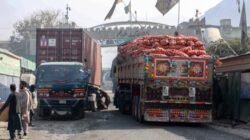
Pakistan and Iran have agreed to move towards round-the-clock operations at their border crossings, improve logistics infrastructure and harmonise customs procedures in a bid to significantly expand bilateral trade.
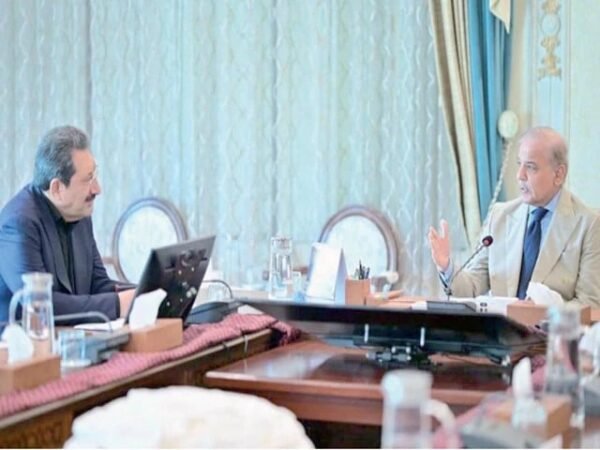
The agreement was reached during a meeting between Prime Minister Shehbaz Sharif and a six-member Iranian delegation led by Minister of Industry, Mines and Trade Seyyed Mohammad Atabak, according to the Prime Minister’s Office.
The two sides also agreed to deepen cooperation in the mining sector, particularly in the processing and value addition of precious stones, The Express Tribune reported.
Prime Minister Shehbaz reaffirmed Pakistan’s commitment to its close relations with Iran and said Islamabad would continue its diplomatic efforts to promote peace and stability in the region.
The PM said he had recently held a productive discussion with Iranian President Masoud Pezeshkian on regional peace and the further strengthening of Pakistan-Iran relations, particularly in trade and economic cooperation.
The prime minister expressed confidence that sustained efforts by both countries could help achieve the $10 billion bilateral trade target set by their leadership.
He stressed that greater trade in food, agricultural commodities and related products could generate significant economic benefits for both countries.
The push for 24-hour border operations is expected to facilitate the movement of goods, reduce delays and strengthen formal trade routes between the neighbouring countries.
Pakistan and Iran have in recent months taken several measures to improve border connectivity and formalize cross-border commerce, including efforts to streamline customs procedures and expand trade infrastructure.
Iranian Minister Atabak thanked the Pakistani government for its hospitality and praised Islamabad’s diplomatic efforts towards regional peace. He reaffirmed Tehran’s desire to further expand economic and commercial ties with Pakistan. Atabak also said technical-level negotiations on the Pakistan-Iran Free Trade Agreement (FTA) were currently underway.
The two countries have long sought to expand bilateral commerce, but trade has remained below its potential due to border infrastructure constraints, customs procedures, limited financial channels and security-related challenges.
Both sides now appear to be seeking a more integrated border-trade mechanism that could support higher volumes of formal commerce while strengthening economic connectivity between Pakistan, Iran and wider regional markets.